For the 250th anniversary of America’s founding, Virginia’s VA250 is inviting people across the Commonwealth to share stories, reflections and perspectives. The goal is to create a more complete story of Virginia — past and present. That call for stories inspired John Page Williams to recall an untold story about active citizenship, the signing of the Leedstown Resolutions on the banks of the Rappahannock in February, 1766.
By John Page Williams
The Leedstown Resolutions of February 27, 1766, marked one of the first active protests against taxes levied by Great Britain against the American Colonies. You can get the gist of them and “visit” the patriots of the Westmoreland Association by watching this short video from Stratford Hall.
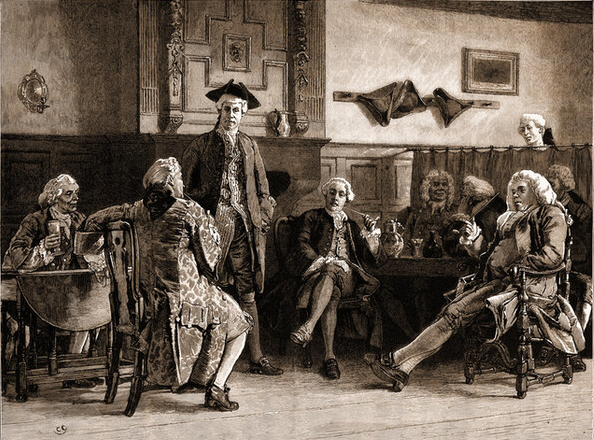
In a nutshell, the Association’s members were outraged that Scottish merchant Archibald Ritchie of Tappahannock had threatened to allow a bill of lading to receive the hated British tax stamp (imposed on the American colonies without their consent) so he could ship a load of grain to the West Indies. “As we know it to be the Birthright privilege of every British subject (and of the people of Virginia as being such) founded on Reason, Law, and Compact; that he cannot be legally tried, but by his peers; that he cannot be taxed, but by consent of a Parliament, in which he is represented by persons chosen by the people, and who themselves pay a part of the tax they impose on others.”
But what did it really feel like for the 115 local planters to spend that day and the next actually travelling to the meeting at Bray’s Church on the banks of the Rappahannock at the then-busy port of Leedstown in Westmoreland County? Put yourself into the frame and take a seat in a pew on that cold winter day. There, the Association’s members think through and debate the text Richard Henry Lee and his brothers have prepared. They (and you) individually have to muster the courage to sign the document, which could put all participants in great jeopardy with the Crown, as it declares that signatories “bind ourselves to each other….with our lives and fortunes.” They and you take a break to eat lunch at an ordinary in the town. Then, about a quarter of them (including you) ride by horseback to Tappahannock (across the river in Essex County) on that winter afternoon.
The trip to Tappahannock involves riding some three miles from the church along a curve on the north bank of the river (about a half-hour) to the north end of Layton’s Ferry (you can learn more by Googling it). There, the group boards the ferry run by the Layton family to venture two miles by water to the wharf on the south bank.
Now, just take a minute to think about that part of the trip. How large was the ferry? How many men and horses can it carry at one time? The river is only a half-mile wide here, but the south-side wharf is on a curve where the currents have gouged out a 55′-deep trench in the river bottom. Both wharves are exposed to wind from the northwest (common in winter, and nasty cold). The current, driven by both tides and the powerful downstream flow from the Rappahannock’s sprawling watershed, can run to an unrelenting two knots (2.4 mph).
When wind and current run together, the Rappahannock’s surface is smooth, though they can make keeping a boat on course and landing it safely seriously difficult. When they run against one another, that part of the river develops angry, choppy waves. How do the horses react to boarding the ferry, travelling on it, and climbing off it? What clothes are their riders (including you) wearing to shield yourselves from the weather? Do you have on life jackets in case you go overboard into the cold, cold water? And how do the Laytons propel the ferry? By oars? If so, how many rowers? They have to be powerful, skillful rivermen to make this passage day after day, month after month. A passage like this in winter? How long does it take?
Once ashore, you all ride thirteen miles downriver along the dirt road where Route 17 (“Tidewater Trail”) runs today (taking at least another hour) to Tappahannock. The roadway through rolling land is rutted from winter weather. Your horse fords the shallow headwaters of Occupacia Creek easily enough, but as you approach Tappahannock, the wider, deeper tidal waters of Mount Landing Creek require that you and your compatriots cross in single file over a rickety wooden bridge. Once in town you ride down Prince’s Street to confront Archibald Ritchie at his house near the town wharf. To his credit, Ritchie relents, and later, as you find out, he actively joins the American cause.
Now what? Do you celebrate with your comrades? It’s late in the day; you’re cold and tired. Do you stay in Tappahannock for supper and the night, or risk a ride back up the road and a night passage on the ferry? Hard to say, two-hundred-sixty years later. Note that today, though, you can make the round trip from Leedstown to Tappahannock and back on modern, paved roads in a motor vehicle in less than three hours. That trip crosses the river not by ferry at Laytons, which continued running until 1927, but on the now-four-lane bridge at Tappahannock that was built and opened that year.)
So now that you’ve spent a couple of days with these early Virginia citizen patriots, what do you think of them? Yes, they were probably all slave-owners, but they were all deeply thoughtful, courageous, and physically tough. Most important, they felt that freedom meant actively working together, taking the responsibility to govern for the benefit of all of their people through the practice of representative democracy in the American colonies. That is, to repeat the gist of the Resolutions, to ensure government “by consent of a Parliament, in which [they are] represented by persons chosen by the people, and who themselves pay a part of the tax they impose on others.”
There is certainly plenty of paradox, if not contradiction, in the actions of these Virginia planters, but in that tension between freedom and responsibility for the benefit of all people lies the genius that has propelled our country for 250 years. There’s no simple answer, no way to avoid that tension. Continuing to embrace it and working actively toward a More Perfect Union for all of us is our ongoing challenge as Americans.