The annual list of America’s 11 Most Endangered Historic Places has just been released, and a history-rich tribal land in the Virginia section of the Chesapeake Bay is among them this year.
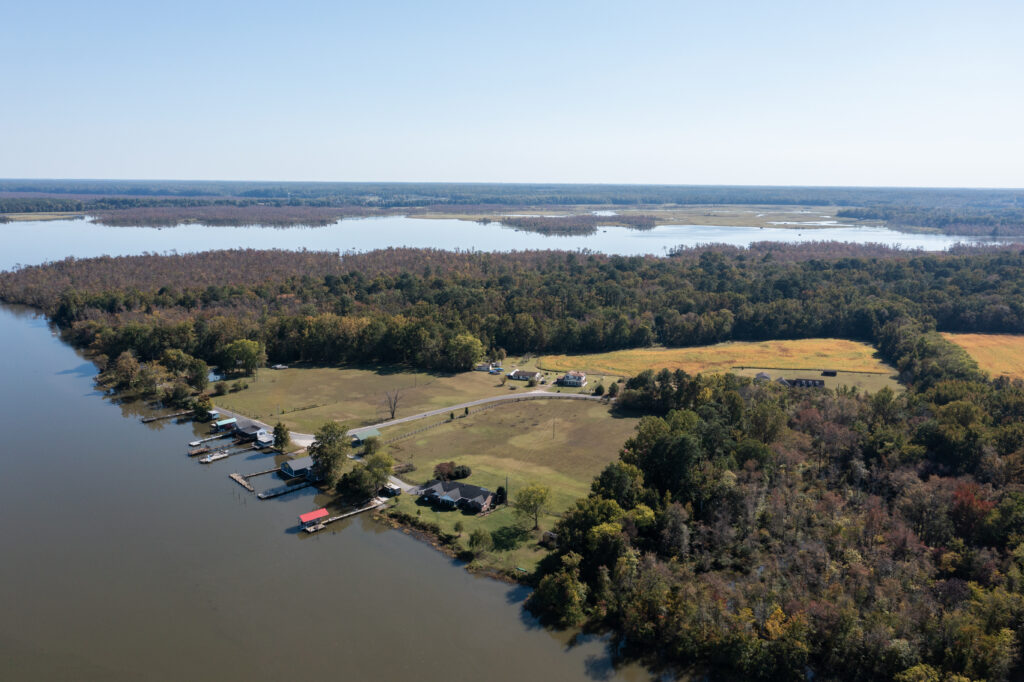
The Pamunkey Indian Reservation, a 1,600-acre sovereign community nearly surrounded by water, ranks among the National Trust for Historic Preservation’s list of places in most dire need of saving. As the tribe of Chief Powhatan and Pocahontas, its historical significance is indisputable. As much of the reservation’s acreage converts to marshland, the tribe is contending with the possibility of having to relocate.
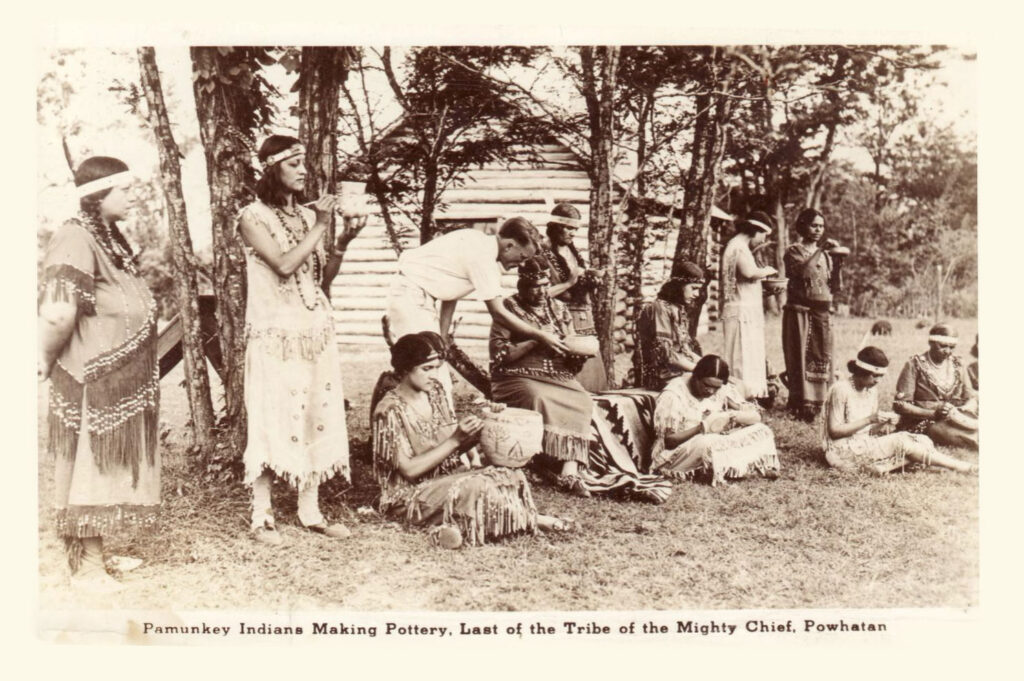
The Pamunkey tribe is recognized as a sovereign nation by the federal and state government. Of the 100 or so people living on the reservation, almost all are of Pamunkey heritage. The land is home to a tribal museum, cultural center (with plans for a new one), a historic schoolhouse, pottery studio, historic church, and a shad hatchery the tribe hopes to operate again.
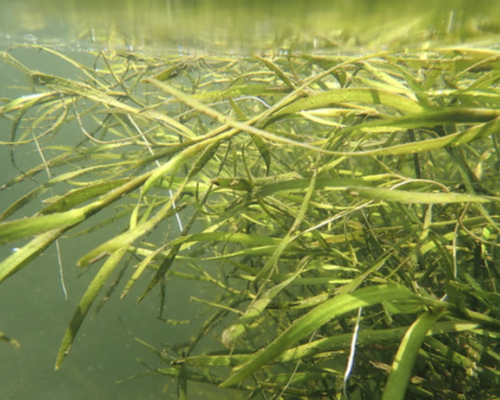
The reservation land, once called Tsennacommacah, is valuable to archaeologists, since it has been home to the tribe for 15,000 years and was never ceded to the U.S. government. Archaeological deposits may shed light on lives from thousands of years ago. The Pamunkey River is also home to historic populations of shad and spawning sturgeon, along with rich marsh vegetation, sometimes referred to as the “grocery store” of tribes and foraging people.
The danger the tribe is facing stems from rising waters and sinking land. Of its 1,600 acres, the vast majority of the reservation is marshland. “It is very inundated, very wet,” says Kendall Stevens, Cultural Resources Director for the Pamunkey Indian Tribe. The reservation land was originally an island, but in the 1860s a push pile was created in order to build a railroad to the mainland. Creating that extra land mass may have caused more erosion problems, Stevens says. Between sea level rise and land subsistence, some of the tribal elders estimate 20-30 feet of riverbank on the northern edges of the reservation have been lost.
The reservation was chosen for the Most Endangered Historic Places list for this “very demonstrable risk factor” of land loss, considering all the heritage the Pamunkey stand to lose. Stevens tells us, “We’re kind of in dire straits. VIMS projected it will be totally unlivable in the next 70 to 100 years. That’s a quick timeline… the tribe is aware that relocation is probably going to be on the table in the next generation or so.”
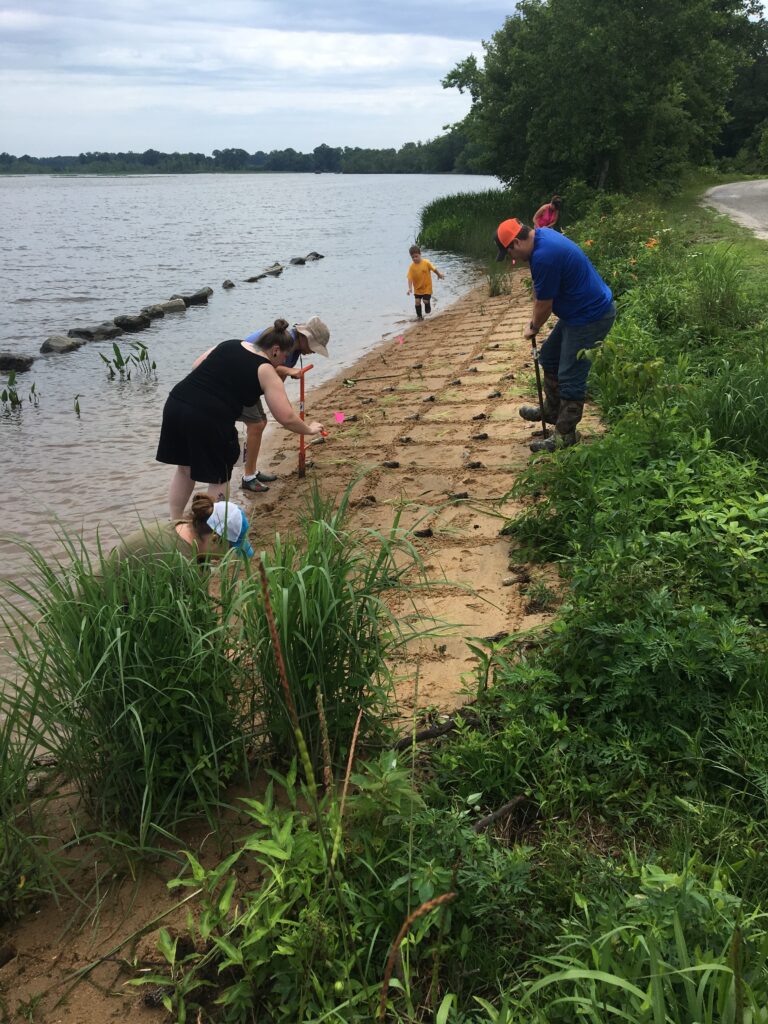
The Pamunkey hope that the National Trust for Historic Preservation’s recognition will lead to awareness and support for finding solutions. The tribe has already done a good bit of shoreline stabilization work, like planting native grasses and bald cypress trees, a species that grows natively on some Indian reservations and may help preserve the land. These projects are expensive, however, and funding has been hard to get, Stevens says.
The tribe is putting its hope into its new national recognition, which they believe has the potential to be really significant for such a small community.
“There are still people that want to live in the reservation, fully knowing it’s probably not a forever place,” Stevens tells us. “The Pamunkey River is so important to these people, I can’t imagine anyone would want to live anywhere else.”
Other Chesapeake Bay landmarks that have been named among America’s 11 Most Endangered Historic Places in recent years include Virginia’s Jamestown and the Annapolis City Dock.