An Annapolis woman wants to warn people on the Chesapeake Bay about the danger of a little-known flesh-eating bacteria, as doctors work to save her husband’s leg. What started as a cut on the shin from a fish trap quickly cost the man nearly all of the tissue on the front and back of one leg.
The couple, who has asked not to be identified for privacy reasons, lives in the Oyster Harbor community just outside of Annapolis. The man was on his pier on Sunday, July 6, at an inlet that leads to the Chesapeake Bay. He was checking a small trap that he uses to catch bait fish when he cut his shin on the trap. The trap had only been in the water since the previous evening, his wife tells us, and looked clean. He wiped off the cut, she got him a band-aid that fully covered it, and he went about his day.
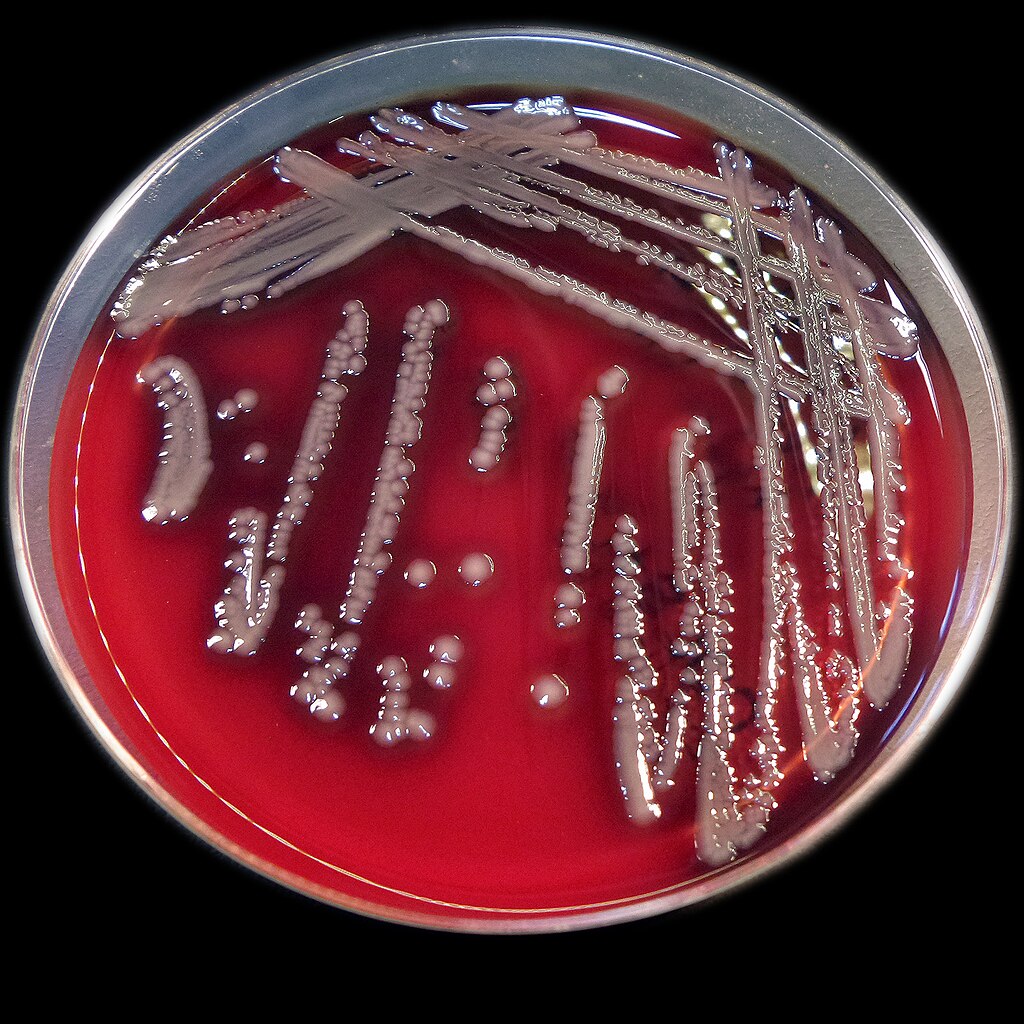
By Monday, the man noticed his cut was starting to get infected. He went to Patient First for antibiotics, but after another day passed, the infection had gotten worse. “It was huge and painful, and looked really bizarre,” his wife tells us. He went to the emergency room, where he immediately received antibiotics by IV, but it wasn’t enough. The bacteria was cultured and found to be Aeromonas hydrophila, an antibiotic-resistant necrotizing fasciitis (commonly known as flesh-eating bacteria). After surgery to try and remove all of the diseased tissue, the bacteria was found to have spread to the man’s entire leg. The hospital recommended transferring him to a more specialized medical center: Shock Trauma in Baltimore.
Dr. Sharon Henry, Director of the Division of Wound Healing and Metabolism of R Adams Cowley Shock Trauma Center at the University of Maryland Medical Center, has been treating serious tissue damage at Shock Trauma for more than two decades. The center has state-of-the-art capabilities to heal, regrow, and graft some of the worst soft-tissue wounds. Their hyperbaric oxygen treatments draw patients to the center from all over the mid-Atlantic region. About 85 percent of them come for specialized care after contracting flesh-eating bacteria like Aeromonas or the better-known Vibrio vulnificus (read our deep dive on this more commonly known bacteria here.)
In the case of the Annapolis man, antiobiotics and surgery finally stopped the bacteria from spreading and he became stable. By that time, nearly all of the tissue from his groin to the top of his foot had been removed. Thankfully, the bacteria did not impact the muscles. But the extensive tissue damage will require skin grafting, Henry says. To prepare for skin grafts, doctors use synthetic dermal matrices (essentially, synthetic skin made with animal collagen that is incorporated with the leg’s remaining tissue). This process usually takes about three weeks, and recovery from the skin grafting itself could be another 4-6 weeks, Henry tells us.
Despite the grueling recovery ahead, the man’s wife is grateful her husband is alive, and that doctors expect they’ll be able to save his leg. But she wants people on the Bay to be aware of the invisible danger of flesh-eating bacteria from exposure to the water. “It was quite a shock for this to happen—and so quickly. He went from bad to worse in hours,” she tells us.
According to a study published by Frontiers in Microbiology, Aeromonas bacteria are pathogens of fish and several other animals that can also colonize and infect human beings. The bacteria is prevalent in the Chesapeake Bay, and is often found in sediment, fish, or shellfish. It thrives in areas of low dissolved oxygen. The Maryland Department of Natural Resources’ most recent report found that a rainy May and a hot June produced “the largest historical volume of hypoxia seen within Maryland for the time period of the monitoring program”, so conditions were likely ripe for Aeromonas.
The bacteria can infect humans who are immunocompromised, or healthy people who have suffered some type of injury and been exposed to contaminated water. Henry says the common thread is always a break in the skin, like a cut or chronic wound. “There are some bacteria that attack healthy people, and that’s what is so scary… Certainly, if you have a cut, I would think twice about having contact with natural water [like Chesapeake Bay tributaries], or even a community pool or hot tub, particularly if you have any chronic illnesses.”
Henry commends the patient in this case for being vigilant about seeking medical care. “He did all the right things by going to urgent care, he got his antibiotic, it didn’t seem to be doing the trick, and he went back. Sometimes people skip that step. He said, Hey, something still isn’t right, check me out again.“
She also commends the medical center where the man was first hospitalized for acting quickly and aggressively to stop the bacteria from spreading further. “They didn’t hesitate in treatment,” she says.
The man’s wife is grateful for the Shock Trauma team’s expertise, saying that she feels fortunate to live in an area that has these facilities available. The synthetic skin Henry’s team uses has only been in practice for 10-15 years, and not all providers may have the skills and tools that will be required to save the Annapolis man’s life—and his leg.
Aeromonas is not one of the “reportable diseases” the Maryland Department of Health tracks, as Vibrio is. But health department spokesman David McCallister tells us the general prevention messages are the same: avoid contact with open wounds and be extra careful with immune compromising conditions. McCallister notes that Aeromonas won’t always be found in the same conditions as Vibrio. There is overlap, but Aeromonas is likely to be found in more freshwater conditions, too.