The summer’s debate over management of Atlantic menhaden harvest in the Chesapeake has been rough, highlighted especially by more science showing osprey nest failures around the Bay due to chick starvation. In response, the Atlantic States Marine Fisheries Commission (ASMFC) scheduled public hearings and opened an online portal seeking public comment on a multi-faceted Addendum to its current management plan for the fish. The public hearings concluded on October 1, but the Commission is still accepting comments online until 11:59 PM this Friday (10/9), if you want to weigh in. After considering all of the comments, ASMFC’s Atlantic Menhaden Management Board will make a decision at its Annual Meeting the afternoon of Tuesday, November 10 in Newport, RI. The public can attend in person or online.
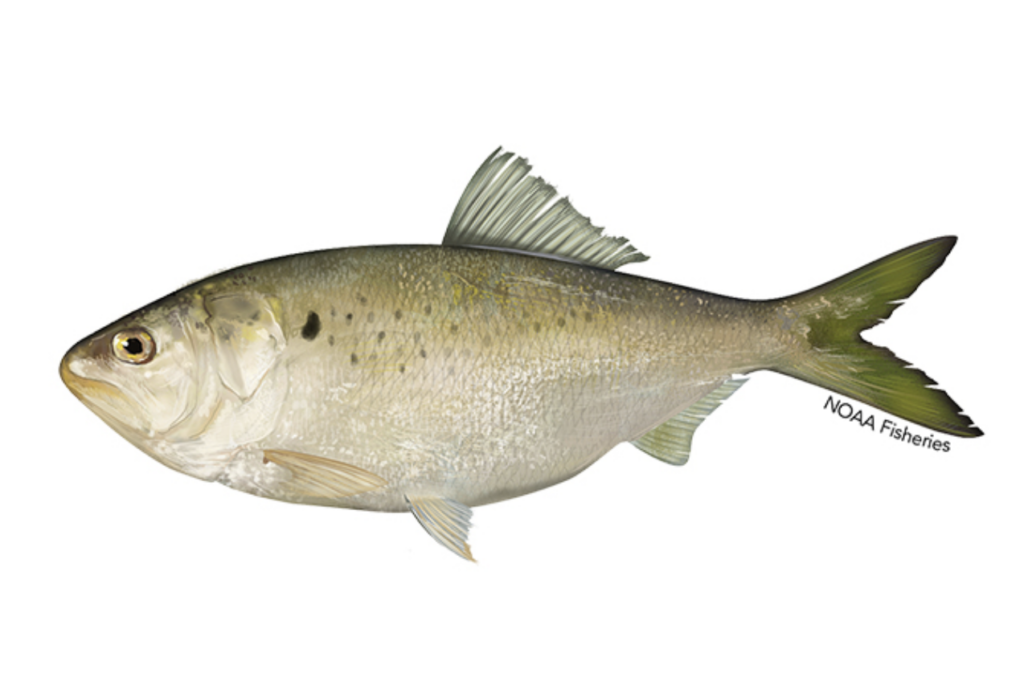
The debate has formed along predictable lines of status quo vs. conservation, restricting the catch and thus potentially threatening jobs in the menhaden fishing industry around the Omega Protein plant in Reedville. The continuing osprey issue has, however, intensified the concern. To be fair, the chick starvation issue is still circumstantial evidence against overfishing, though it is powerful. Osprey chicks in fresher, upriver waters on Bay tributaries are doing reasonably well, because their primary forage is gizzard (“mud”) shad and small blue catfish, in contrast to saltier waters where menhaden are the birds’ overwhelming preference.
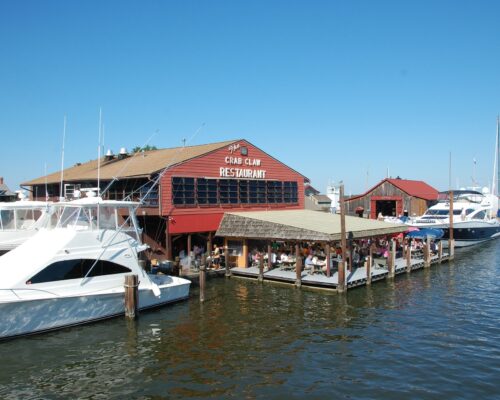
What is striking, though, are the perspectives expressed by the two camps in the debate. Each appears to think it’s the underdog in a David-and-Goliath struggle. Many people around Reedville feel unfairly targeted by a broad, strong coalition of conservation and sportfishing groups, threatening a proud commercial fishing culture that has been a backbone of their community since 1870. (Watch some of this compilation of public comments to ASMFC from local people at the public hearing near Reedville in September. See also statements from the Menhaden Fisheries Coalition.) Meanwhile, the half-dozen 150-180’ purse seiners operated by Ocean Harvesters that fish for Omega Protein tower over any typical 20-40’ Bay sportfishing boat, and the fact that Omega belongs to the giant, multi-national corporation Cooke Seafood swings the balance the other way. Because menhaden are primary forage along the Atlantic coast for everything from ospreys and rockfish (striped bass) to gannets, tuna, and whales, the issue takes on an even broader context, with many more economic consequences beyond Reedville at stake.
So where is the science behind this decision-making? Devilishly complex, but finally funded and in process. In the meantime, though, what’s to be done in an apparently critical situation? Continue business as usual or be more precautionary, at the risk of creating problems for the menhaden fishing community? It’s a hard question, but it needs an answer. If have an opinion and you’d like to make a formal comment before midnight Friday evening, here are two links:
- Atlantic Menhaden Draft Addendum II – Atlantic States Marine Fisheries Commission
- Take Action – Our Bay. Our Fish. Save the Menhaden of Chesapeake Bay
Thank you for taking action for what you think is right.