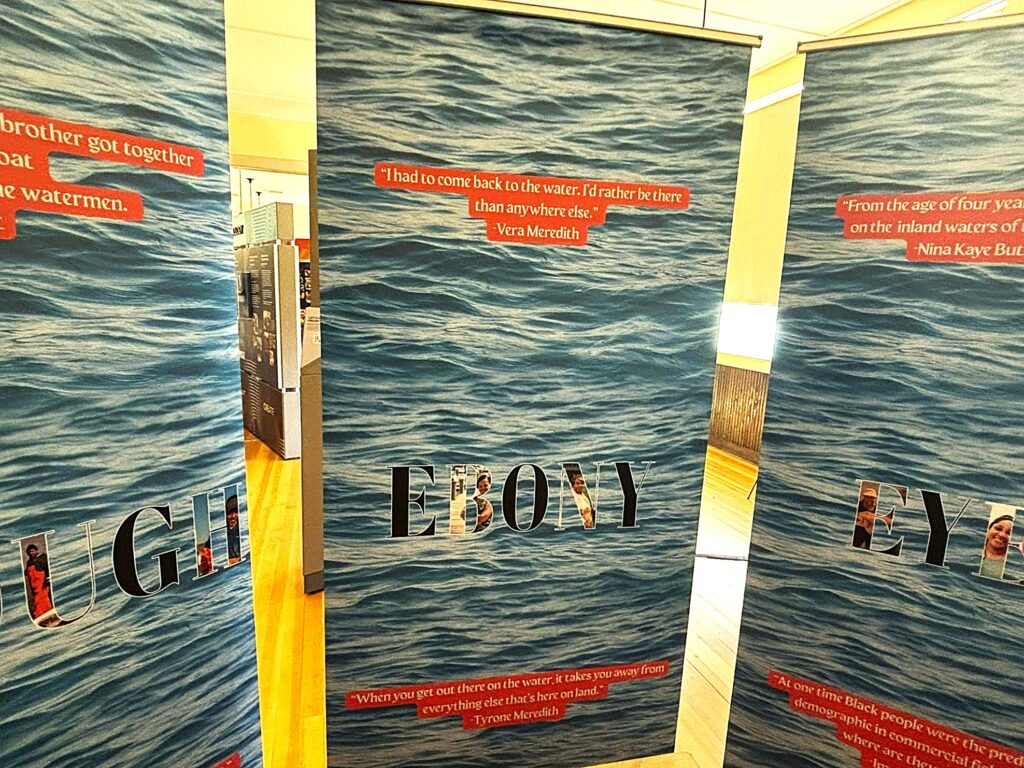
In Centreville on Maryland’s Eastern Shore, the Kennard African American Cultural Heritage Center and Alumni Association is the proud new host of the Smithsonian’s Traveling Exhibit Series. It’s a chance to shed light on the working Black watermen and women of Maryland.
Last month, the Kennard community gathered for a celebration of three Black captains of the Chesapeake Bay whose combined experience in fishing, crabbing, and oystering spans more than a century. The new exhibit will pay tribute to their legacies and others, thanks to the Smithsonian partnership.
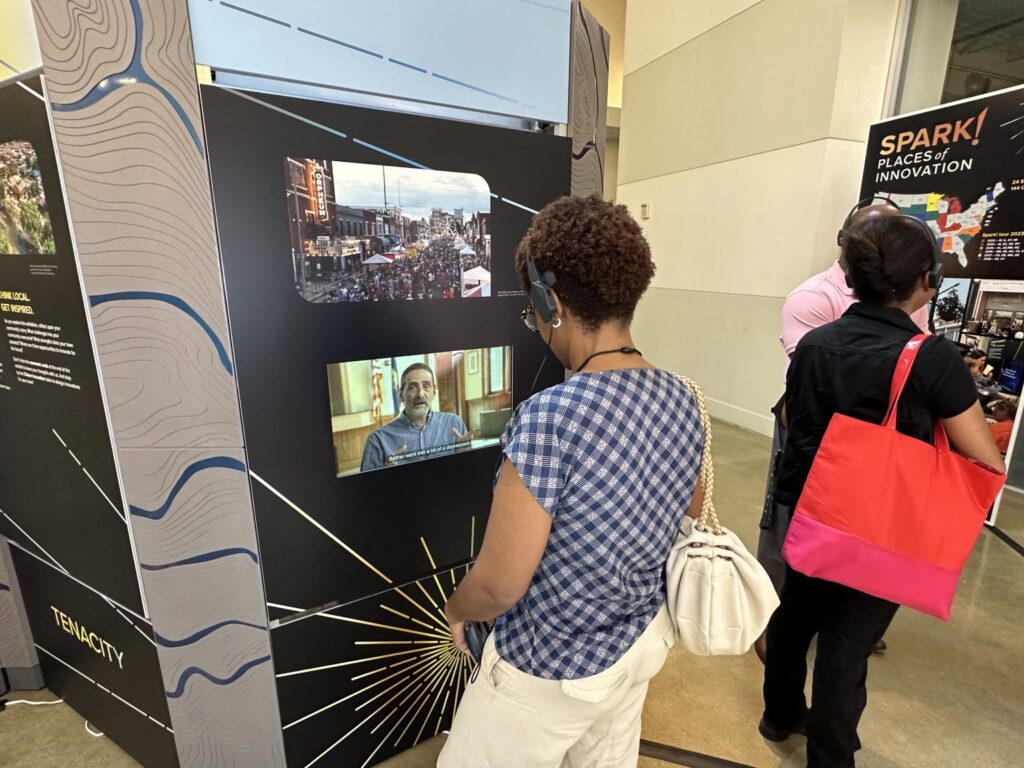
“Our mission has always been to share the history and culture of the African American community,” said Alumni Association President Clayton Washington. Over the weekend, Kennard opened Ebony Eyes: The Evolution of Maryland’s Black Watermen and Women, presented as part of Spark! Places of Innovation, a Maryland Humanities Museum on Main Street program in collaboration with the Smithsonian’s Traveling Exhibit Series. Through art, photography, audio, and firsthand storytelling, visitors can encounter the intergenerational voices of watermen and women who embodied hard work, perseverance, and a deep love of the water, creating enduring legacies.
Among the honorees is Captain Montro Wright, who grew up in the Kent Narrows shanties and began working the water at 14. By 17 he had purchased his first boat, later becoming an oysterman and—alongside his brother—one of the first Black clammers on the Bay. Today, he captains the Shirley B III, a familiar sight to recreational anglers. You may remember that Wright is on the advisory board for the new Black Watermen’s Monument planned for Kent Narrows in 2026.
Captain Lewis Carter, also raised in the shanties, followed a similar path to Wright’s. He, too, bought his first boat at 17 and went on to become the patriarch of a proud waterman family. Over 64 years on the Bay, Carter has hand-tonged oysters, run trotlines for crabs, and built a reputation rooted in tradition. For both men retirement is not an option.
Captain James “Buck” Lynch (featured in Chesapeake Bay Magazine‘s Faces of the Bay in 2024) was born into a family that sustained itself on both farming and the Bay. Drawn to the water early, he received a 26-foot boat from his father at age 11—a gift that charted the course of his future. Today, he runs charter fishing trips in the warmer months and oysters in the winter. Like many featured in Spark!, he is among the few remaining Black captains still working the Kent Narrows.
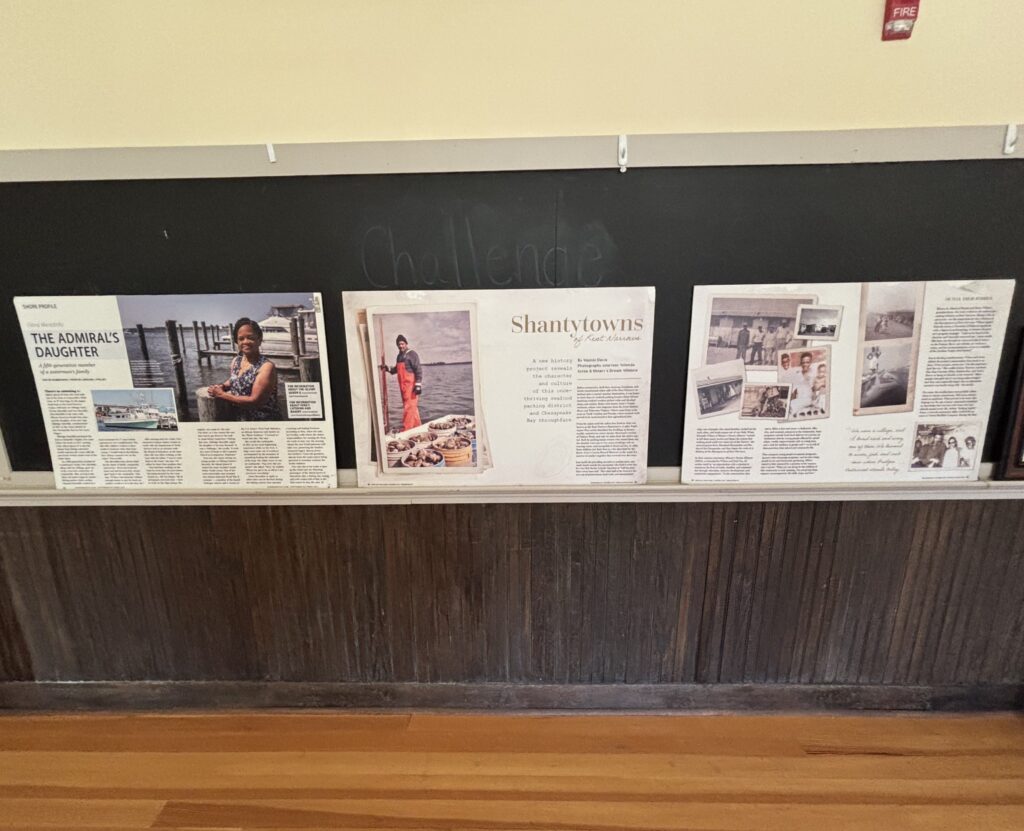
The Meredith family represents a legacy just as enduring. Tyrone and Vera Meredith are fifth-generation watermen who inherited their love of the water from their father, the late Captain Eldridge Meredith—Navy veteran, waterman, and the 101st Admiral of the Chesapeake. At her father’s urging, Vera earned her U.S. Coast Guard 100-Ton Master license, becoming one of the region’s few Black female captains. After their father’s passing, the siblings carried forward his legacy aboard the Island Queen II, the largest headboat operating from the Narrows.
The sisterhood of captains also includes Nina Butler Wright. Guided by her father, the late Captain Warren Butler—himself a legendary Black captain of the region—she not only earned her captain’s license but also purchased two boats, one of which served their charter clients. Similarly, Joyce Pace charted a second career on the Bay after 40 years as an educator, ultimately earning her captain’s license and taking the helm of the Ms. HB Goode.
The exhibit’s theme of innovation finds a modern-day example in Imani Black. Her childhood dream of “working on the water” evolved into a career in aquaculture and, ultimately, the founding of Minorities in Aquaculture, an organization dedicated to increasing the presence of people of color in marine and environmental industries.
Spark! Places of Innovation will run from November 29 through January 11 2026 at the Kennard African American Cultural Heritage Center, located at 410 Little Kidwell Avenue in Centreville, Maryland. The exhibit not only honors the past but also illuminates the future—one shaped by the enduring relationship between Black watermen and women and the Chesapeake Bay that has sustained their families for generations.
The exhibition will be on view Thursdays and Fridays, 10:00 a.m.–8:00 p.m., and Saturdays and Sundays, 10:00 a.m.–2:00 p.m. (The exhibition will be closed for holidays.)
https://kennardheritage.com/For more information on the exhibit and Spark, visit kennardheritage.com.