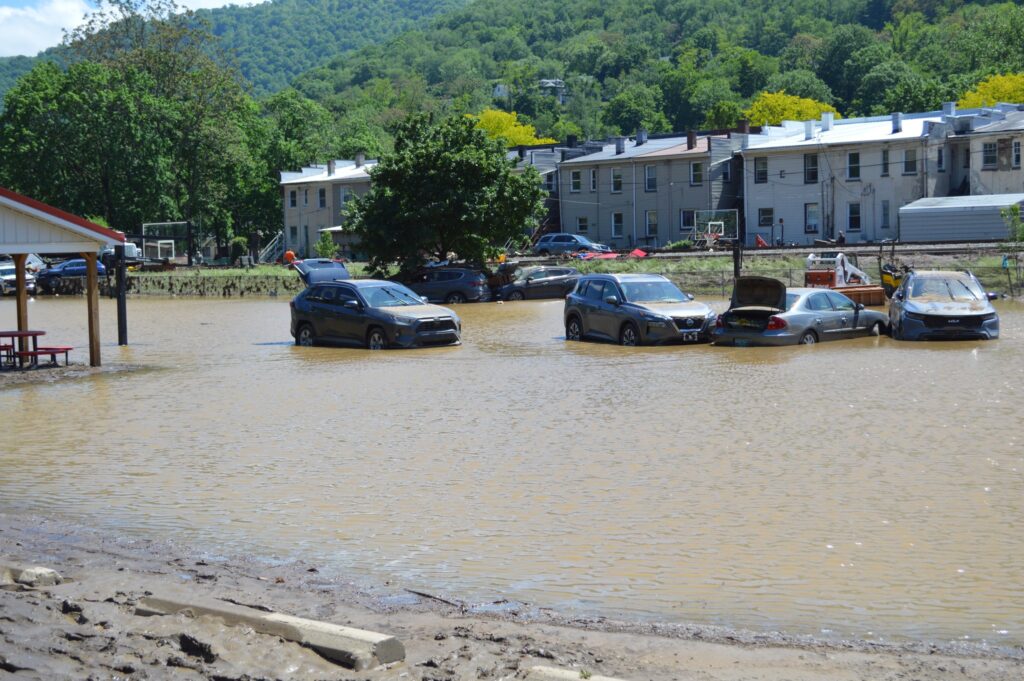
Serious flooding in Western Maryland made national headlines back in May, when more than five inches of rain sent creeks up to some of their highest levels on record. The water washed out gas lines, cut off water services, and left roadways impassible from landslides and severe erosion. Two hundred people had to be evacuated from two elementary schools as water levels rose… many carried to safety by first responders.
Allegany and Garrett counties are still recovering more than two months later, and the disaster is still wreaking havoc on the Potomac rivershed. The Allegany County Public Health Department is warning people that raw sewage is still flowing into two creeks that lead to the Potomac River.
While the county stresses that drinking water is not affected, the raw sewage flow is impacting the Potomac River. Sewage is being carried from Braddock Run into Wills Creek and the Potomac downstream. It’s also flowing into Georges Creek between the Town of Shaft and the Westernport Wastewater Treatment Plant, which then flows into the Potomac River.
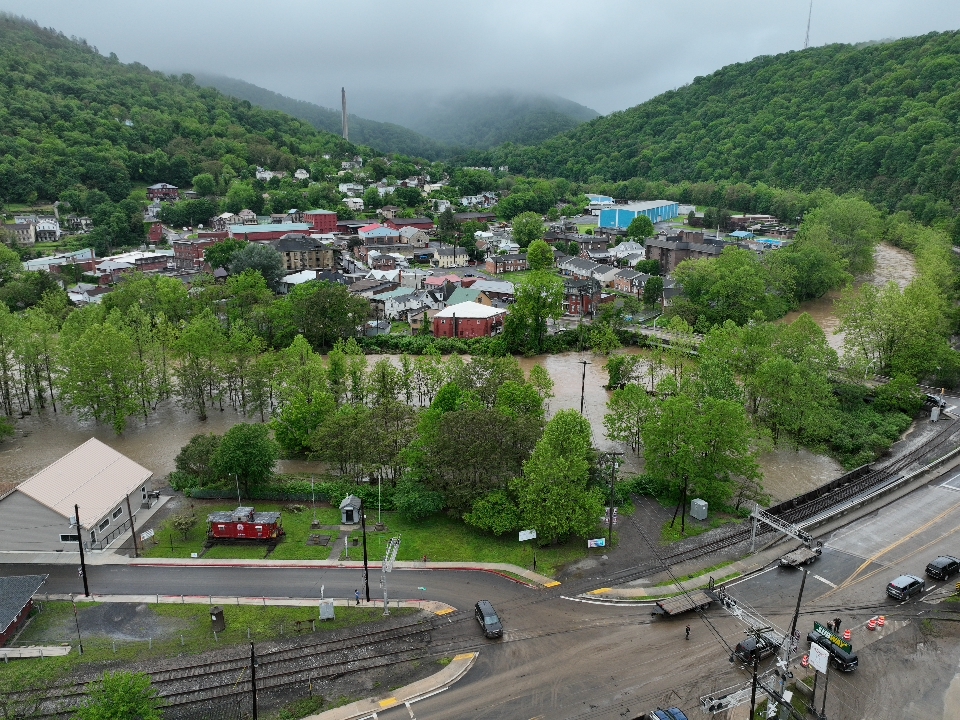
The county explains on its Flood Recovery Hub website that the May 13th flooding caused extensive damage to the sewer systems in the Georges Creek area. The county says repairs are ongoing and involve multiple failures, not just a single location. “This is a big (and expensive) issue… the Georges Creek sewer shed is nearly 20 miles with numerous stream crossings.” The Allegany County Public Works department and local contractors have been working since May 13, but they say it will take more time to evaluate the problem and make repairs.
In the meantime, the county warns people not to drink, fish, or come in direct contact with those waters until further notice, as contaminants from raw sewage can cause severe illnesses.
Upper Potomac Riverkeeper Brent Walls says the Potomac Riverkeepers Network has been watching the sewage problem. He explains, “Essentially there is very old sewer infrastructure in that area that crosses the bottom of streams.” The rain severely damaged a sewer main in each river, but shutting down the main would stop all sewer production in the cities of Frostburg and Cumberland. “The contractors are doing workaround, by diverting the stream flowing and containing the sewer as best they can,” he says.
Walls points out, though, that more rainstorms have happened since the initial flooding and that has complicated repairs. The additional rain creates stormwater from farm fields and urban areas, and the hot temperatures we’ve had is warming up the water, allowing bacteria to thrive. Walls says, “We recommend that people be cautious 24-36 hours after a rain event.”