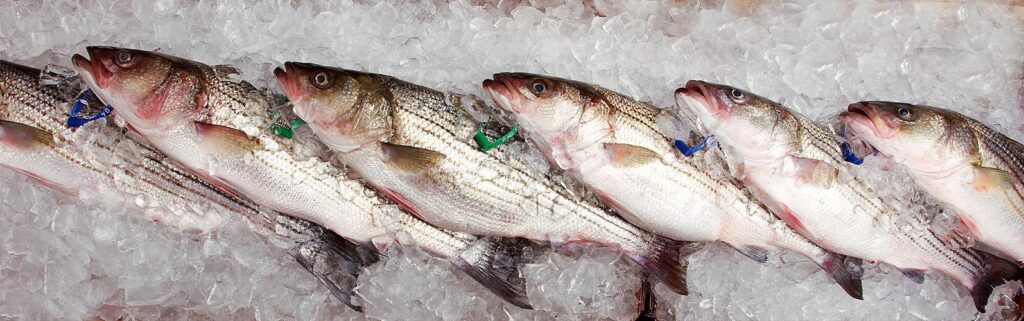
Amid signs that a hoped-for recovery of Atlantic striped bass may be faltering, East Coast fisheries managers are moving to further tighten already restricted catch limits on the popular migratory fish.
At a meeting on Aug. 6 in Arlington, Virginia, the Atlantic States Marine Fisheries Commission’s striped bass management board voted to proceed with a plan to impose a 12% reduction in 2026 on both recreational and commercial catch of the prized species.
The plan, if adopted later this year, would trim the commercial harvest quota by 12%, while it would require East Coast states to ndividually curb the recreational catch by shortening the fishing season or adjusting the size limits for legally catchable fish.
Striped bass are found in the Atlantic from Maine to the Carolinas, but the Chesapeake Bay, where they’re also called rockfish, is the primary spawning and nursery ground for 70% to 90% of the entire stock.
The coastwide striped bass population is currently struggling to recover from years of being overfished, a problem exacerbated by poor reproduction in the Bay—for six straight years in Maryland waters and for the past two years in Virginia. Striped bass spawning tends to vary year to year, but it has never been this low for this long, and scientists aren’t sure why.
The fisheries commission ordered catch restrictions in the Bay and along the coast in 2020 and again in 2024 to halt overfishing and rebuild the stock. But higher-than-expected recreational fishing in 2024, mainly along the Mid-Atlantic coast, cast a shadow over the projected recovery, lowering the odds the stock could reach a healthy level by 2029, as federal law requires.
Commission members had considered acting last December after being warned that the catch could surge still more in 2025 when the last bumper crop of striped bass spawned in the Bay reached legally catchable size. But they held off then, deciding to take more time to gather information and weigh options.
Though the 2025 fishing season is still underway, preliminary data confirmed an uptick in fishing pressure, reducing the odds of rebuilding the stock by 2029 to below 50%.
The commission’s plan, known as Draft Addendum III, contains a menu of measures under consideration for states to choose from for achieving the required catch reductions. It is to be posted online in late August.
Commission members debated but ultimately rejected proposals for coastwide “no-targeting” season closures, during which sports anglers would be barred even from the popular practice of catch-and-release fishing for striped bass.
The commission’s technical experts had estimated that coastwide about 9% of all striped bass caught and released died anyway. But in summer, especially when shallower Bay water heats up, mortality of released fish can go much higher. Maryland and Virginia already close fishing during some of the hottest weeks to reduce that threat.
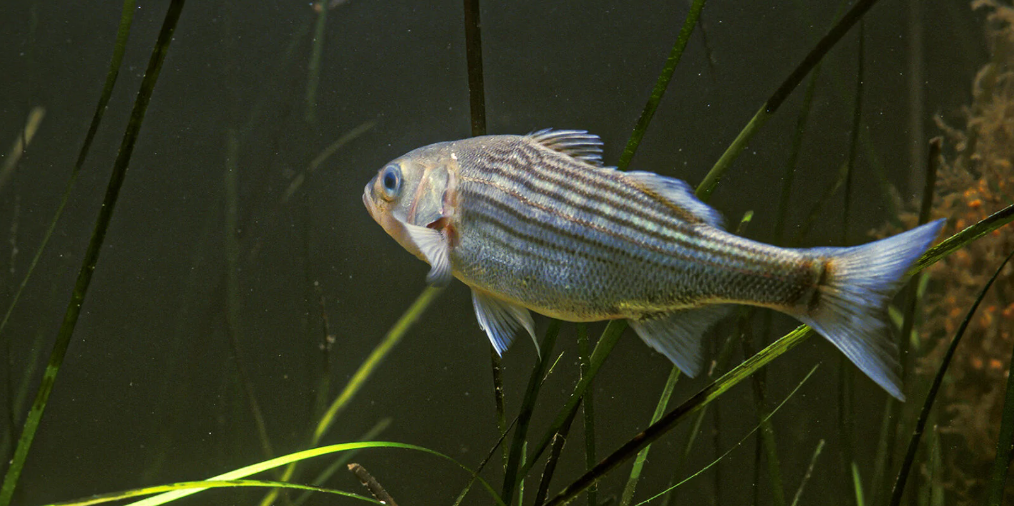
Most commission members balked at including “no-targeting” season closures in the plan, saying they are unenforceable because anglers might accidentally hook a striped bass while fishing for something else. But others argued in vain that something is needed to curtail catch-and-release, which the commission estimates kills as many fish as are hooked and kept. Coastwide, sports anglers harvested 1.7 million striped bass in 2024, according to the commission, roughly three times the size of the commercial harvest.
Further catch restrictions are unwelcome news for sports anglers, but they’re likely to hurt the livelihoods of watermen, proprietors of bait and tackle shops and charter fishing captains. Brian Hardman, head of the Maryland Charter Boat Association, said his group’s members saw their business drop by 75%-80% after the last round of cuts took effect in 2024.
Conservationists acknowledge more catch restrictions will hurt those businesses but say striped bass need more protection now from fishing pressure to have a chance to recover. “Additional regulations will have real impacts, but they pale in comparison to the threat of continued striped bass decline,” Allison Colden, Maryland director of the Chesapeake Bay Foundation, said in a statement. The commission “must err on the side of conservation,” she said, warning that recent surveys indicate the stock is “facing a looming disaster.”
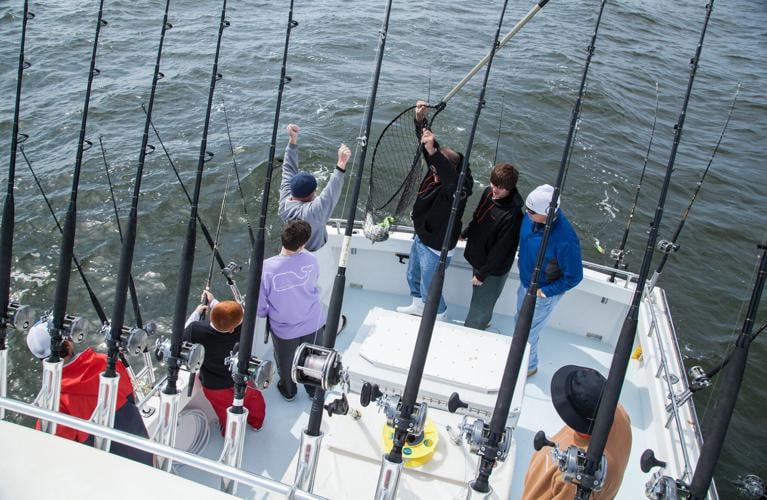
The commission’s plan also includes a proposal to revamp Maryland’s fishing season, lifting the state’s current ban on any fishing for striped bass, including catch-and-release, during their spring spawning season. Sports anglers had chafed at the spring catch-and-release ban and pressed for the change.
Maryland’s Department of Natural Resources said it wants to simplify its regulations and align the state’s striped bass fishing season more closely with Virginia and the separately regulated Potomac River. It also wants to give anglers more incentive to fish in the spring. Mike Luisi, DNR’s fisheries assessment manager, said the spring no-targeting closure drives anglers off the water and hurts the business of tackle shops and some fishing guides.
Maryland said its plan would not increase striped bass mortality, nor would it affect their spawning behavior. Some commission members voiced doubts about the latter claim, but the panel’s technical experts said a pair of published studies came to conflicting conclusions.
The commission will seek public feedback in writing or at a series of public hearings to be held over the next several weeks. A final decision is expected at the commission’s October meeting in Dewey Beach, Delaware.
This article first appeared at bayjournal.com on Aug. 15, 2025.