An 18-year-old boy from Virginia’s Eastern Shore lost his life swimming at Assateague Island National Seashore on Thursday, in an area unmanned by lifeguards.
On Wednesday the young man was identified as 18-year-old Cresencio Lucas Chavez Velasquez of Parksley, in Accomack County, Virginia.
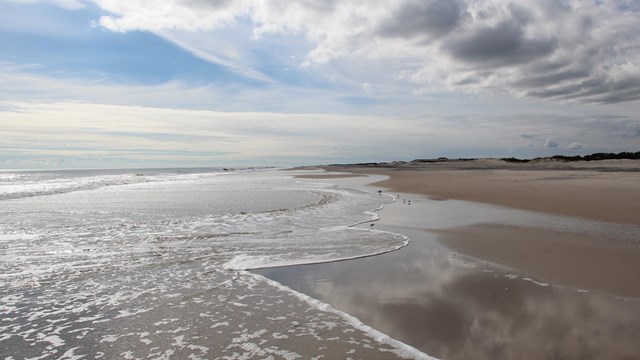
According to the National Park Service (NPS), Velasquez was swimming with another person near the Southern End of the beach by the Chincoteague Beach Parking Lot. The closest lifeguarded zone is 150 yards away. NPS says that at 4:15 p.m., a relative of the swimmers ran down the beach to tell the lifeguards that the two were well offshore, struggling in the water.
Lifeguards raced to help, and were able to successfully rescue one swimmer. Sadly, Velasquez was pulled unresponsive from the water. Rescuers began CPR and the young man was taken to the hospital by ambulance, where he was pronounced dead.
Even though the incident happened one and a half football fields away from the lifeguarded zone, NPS credits the on-duty lifeguards with responding quickly to help. Law enforcement from the National Seashore, U.S. Fish and Wildlife Service, contracted lifeguards, and the State of Virginia all helped in the effort, too.
The drowning comes just two weeks after two U.S. Senators from Maryland called for the federal government to fill vacant lifeguard positions at Assateague Island National Seashore. In a letter to U.S. Interior Secretary Doug Burgum and NPS Acting Director Jessica Bowron, senators Chris van Hollen and Angela Alsobrooks voiced serious public safety concerns in regards to dangerous rip currents, waves, and marine debris during the popular summer beach season.
In the letter, they write, “… Lifeguards are critical to preventing drownings and providing first-response care to beachgoers. Last year, lifeguards made at least 24 rescues at Assateague.” The letter argues, “There is no substitute for attentive lifeguards specifically assigned to monitoring water safety at Assateague.”
NPS warns Assateague beachgoers to stay close to shore and pay attention to wind and currents, which can transport swimmers long distances quickly. There are often steep dropoffs in the ocean bottom. Rip currents are known hazards, but NPS says you can break free of a riptide if you know what to do. “Normally they are not wide,” the agency says. “Swim parallel with the shore a short distance and then swim to shore out of the current. Save your strength for your own rescue. If you cannot get to shore, float on your back and control your breathing. Call for help and raise one arm up for attention.”