The rescue of a teenage waterfowl hunter near Assateague Island is a reminder to all boaters, especially in the colder season, that it’s essential to carry a marine signaling device and not just a cell phone.
The emergency unfolded on Wednesday, Nov. 19. An 18-year-old boy had launched a 12′ jon boat to go waterfowl hunting from the South Point boat ramp in Berlin, Worcester County. He was last heard from around 3:30 p.m. and didn’t return to the boat ramp.
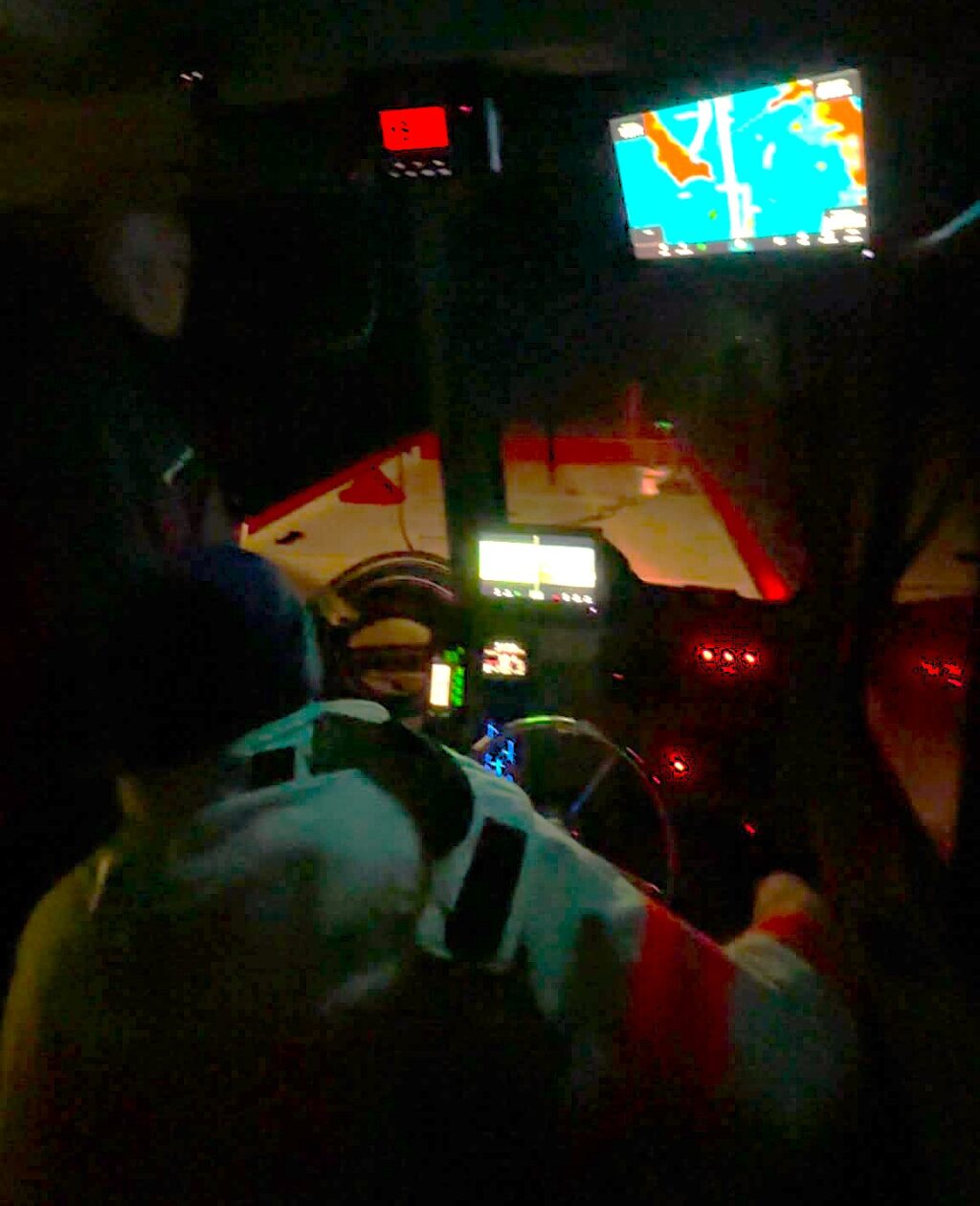
The Maryland Department of Natural Resources Police (NRP) launched a search with the help of Maryland State Police Aviation Command, Worcester County Emergency Services, the Ocean City and Berlin fire departments, the Coast Guard, and the Ocean Pines and Stockton volunteer fire departments. The search centered around Sinepuxent Bay and northern Chincoteague Bay.
NRP says the jon boat “became non-operational” and drifted onto a shoal in Chincoteague Bay on the Assateague side. The teen’s cell phone was dead and he didn’t have a VHF radio or other signaling device except for a flashlight. Investigators say he used the flashlight to attract attention when rescuers were close by.
The Stockton Volunteer Fire Company deployed its Brush 2 and Marine 2 units, searching for about two hours in the water. The fire company rescued the teen from his jon boat around 10:15 p.m. and brought him to shore, where he was evaluated by medics. The hunter had been in his jon boat some seven hours since anyone heard from him.
According to the Maryland Department of Natural Resources’ Required Equipment Checklist as well as the U.S. Coast Guard Minimum Equipment Requirements, recreational boats less than 16 feet must have nighttime distress signal on board along with a horn, whistle or bell.
It’s also strongly recommended that boaters rely on a VHF radio instead of a cell phone alone. BoatUS Foundation says that cell phones are generally less reliable on the water due to shortened range from land-based towers
Having a cell phone on board allows you to keep in touch with land-based contacts and businesses easily. They are very convenient but in some situations they shouldn’t be used in place of a very high frequency (VHF) radio, the benefits of which we’ll address shortly. Here are some things to consider regarding cell-phones. While a cell phone is a handy way to stay in touch with land-based contacts, it won’t allow you to “broadcast” to several boaters at a time, which is important in a true emergency, BoatUS Foundation points out.