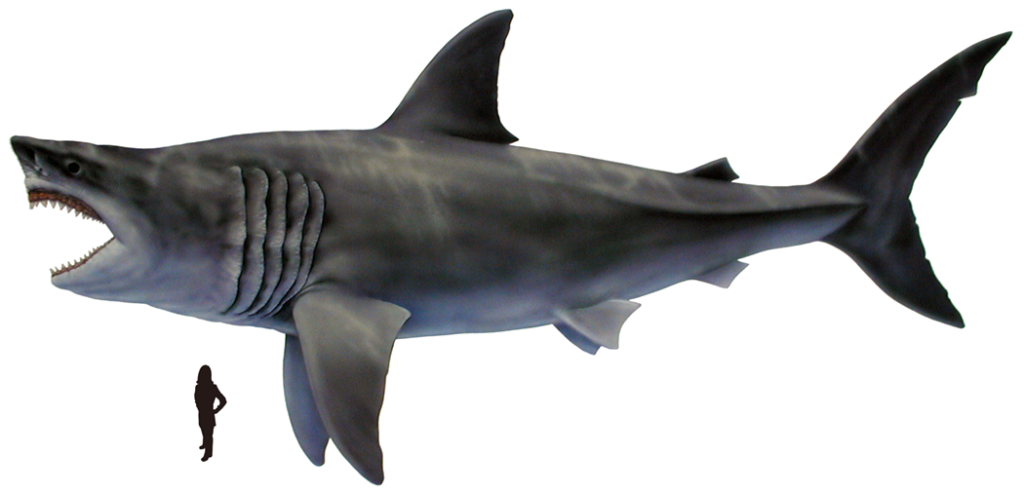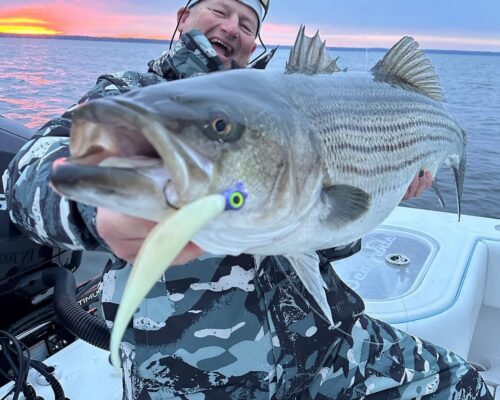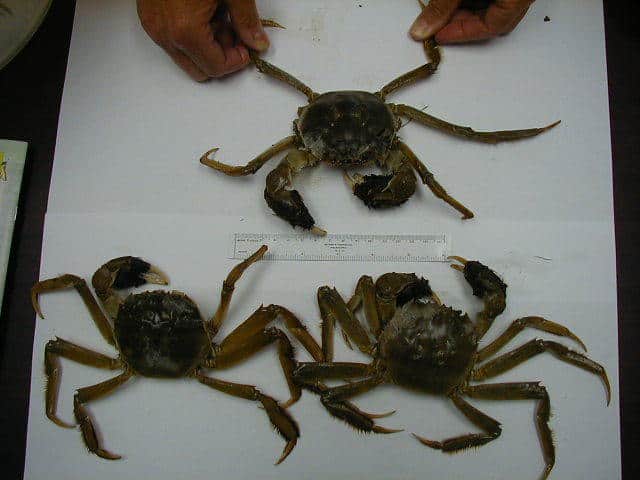
Maryland hopes to become the first state to designate a state shark. They’ve already got one in mind: the now-extinct Otodus megalodon.
A bill being introduced this year—sponsored by Senator Jack Bailey and House Delegate Todd Morgan—
would make megalodon Maryland’s state shark.
“On March 12 and 17, we will appear before both House and Senate committees to make our case for why meg should be our state shark,” says Stephen Godfrey, PhD, curator of Paleontology for Calvert Marine Museum in Solomons.. “With committee approval, it will move to the full House and Senate.”
Large fossilized teeth of megalodon—a prehistoric shark believed to have grown to nearly 80 feet in length—have been discovered in at least seven Maryland counties.
“Megalodon would have lived in the Atlantic Ocean, which during the Miocene epoch (local Miocene age
sediments are about 20-8 million years old) flooded over the eastern half of the State of Maryland,” Godfrey says.
If you’re on the hunt for fossilized megalodon teeth—many the size of an adult human hand—they’ve been found on cliffs along the Chesapeake Bay and in the rivers and tributaries flowing into the Bay.
“These rivers are cutting through the sediments that were laid down over millions of years when megalodon lived and hunted in these waters,” Godfrey says. “Meg teeth are found in those fossil-rich layers, which erode naturally. There are only a few places along Calvert Cliffs where people can go to even see these cliffs, let alone find meg teeth. Check out Calvert Cliffs at Flag Ponds, Matoaka Beach Cottages, and Calvert Cliffs State Park.”
To see a reconstructed jaw with real meg teeth, as well as a reconstructed skeleton of meg and associated exhibits, visit Calvert Marine Museum in Solomons.