

The New Year has brought competing menhaden bills in Virginia’s General Assembly. On the one hand, Sen. Richard Stuart (R-Westmoreland) has introduced SB-414, calling for the Commonwealth to withdraw its membership in the Atlantic States Marine Fisheries Commission (ASMFC), which coordinates coastal fishery management among the fifteen Atlantic States. Passage of that bill would remove the obligation to reduce the industrial menhaden harvest significantly.
On the other hand, three proposed bills would strengthen menhaden science, specifically focused on the fishes’ presence in the Chesapeake, better distribute menhaden catches in Virginia waters through the season (May-December), begin an observer program aboard industrial-scale menhaden purse seiners to ensure compliance with regulations, and establish a pause on industrial menhaden fishing in the Bay while the Commonwealth undertakes research.
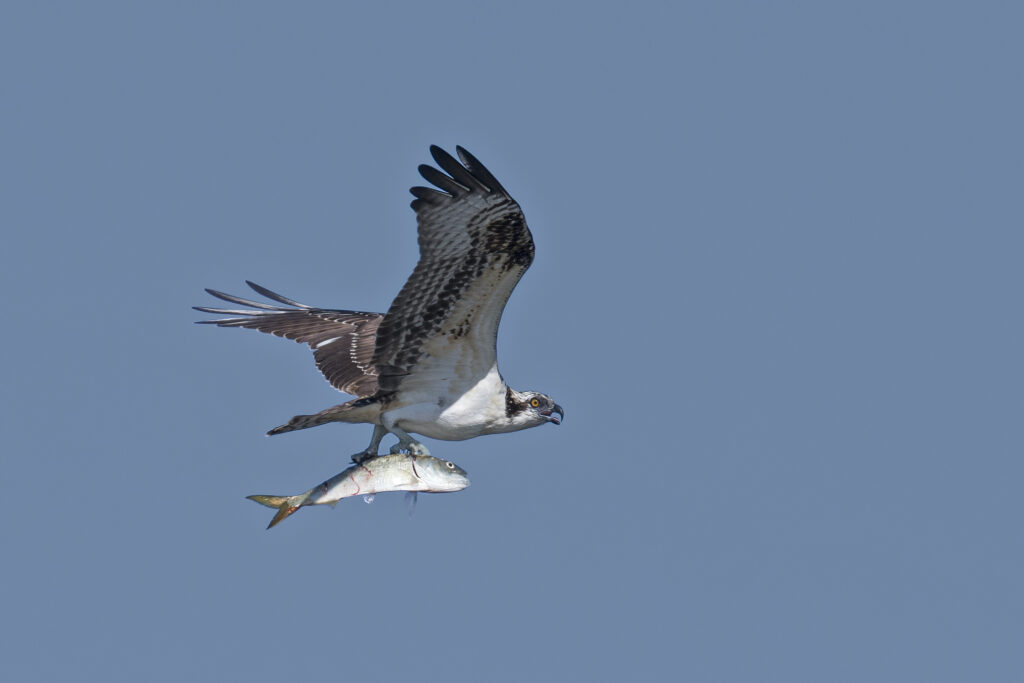
The last three proposals result from increasing fears about purse netting of menhaden for industrial “reduction”, spurred particularly by studies that appear to show osprey chicks dying of starvation in areas where menhaden are the primary forage their parents catch for them. In addition, watermen in both Virginia and Maryland have experienced dramatic declines in catches of menhaden for crab and sportfishing bait, primarily by pound netters. In Virginia, those watermen’s bait harvest dropped from 5.4 million pounds in 2019 to fewer than 1 million pounds in 2024, according to the Virginia Marine Resources Commission.
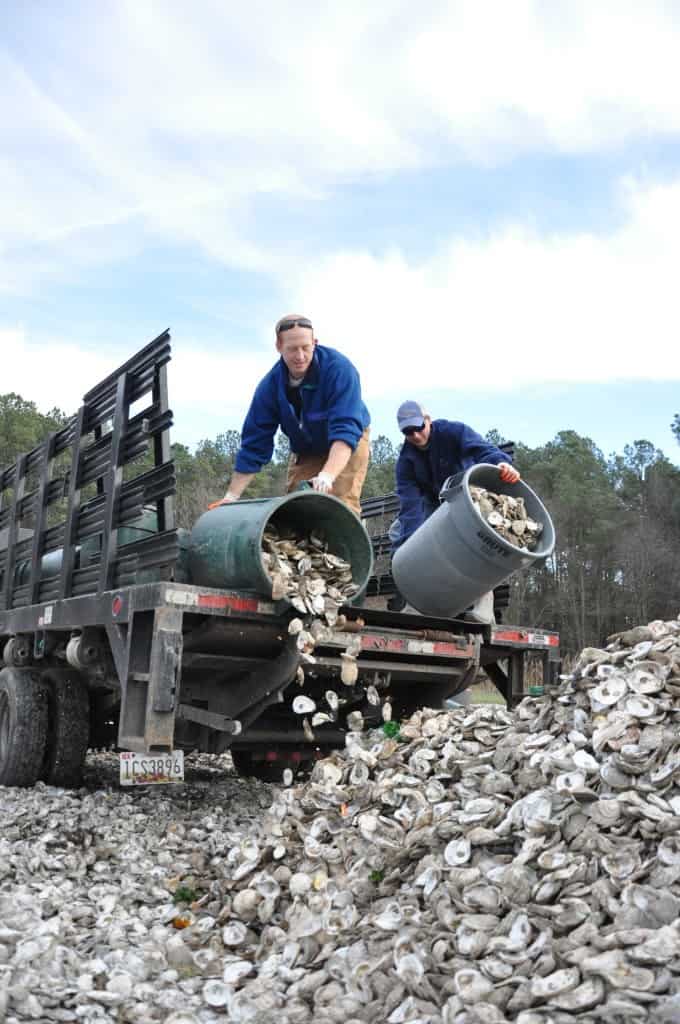
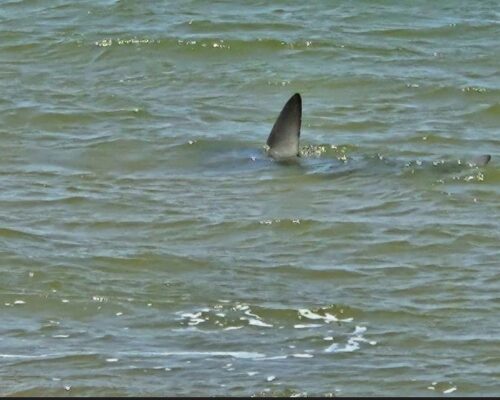
Packed with protein and calories from Omega-3 oils, menhaden are vital to the Bay’s food web in its saltier waters. Predators especially dependent on them include rockfish, speckled trout, red drum, ospreys, gannets, loons, and dolphins. Even so, Reedville’s Omega Protein and the company’s local fishing partner, Ocean Harvesters, take out about 70 percent of menhaden caught along the East Coast, all for “reduction” into products such as high-protein fishmeal for livestock feed and Omega-3 oils. That catch includes more than 100 million pounds from the Bay each year, even though these waters form a massive nursery for the species.
There has been concern for years that Omega’s concentrated fishery in the lower Bay (it’s prohibited in Maryland) is causing “localized depletion” here. Proving that condition scientifically is challenging for a fish that migrates up and down the coast, but it’s hardly impossible. In fact, at the Virginia General Assembly’s request, the Virginia Institute of Marine Science (VIMS) and partners developed a preliminary plan for studying that issue, but industry lobbying has shut out its funding for the past several years. Meanwhile, a new calculation by fisheries scientists shows far fewer menhaden than previously thought along the Atlantic Coast from Maine to Florida. This year, Legislation under consideration in this session would provide much-needed accountability and additional conservation and protection. That includes Senate Bill 474 (patron Senator David Marsden), entitled Establishing a Menhaden Science Fund led by the Virginia Institute of Marine Science.
Additional menhaden-related bills filed this year include:
- House Bill 1048, patron Delegate Betsy Carr, Approving a pause on industrial menhaden fishing inside the Chesapeake Bay, until comprehensive research shows it is not harming the ecosystem. The industry could still fish in the Atlantic Ocean, as they already do regularly, and would not experience an overall reduction in their harvest quota.
- (House Bill 1049, also from Delegate Betsy Carr, Reducing the harm of the industrial menhaden industry by setting different harvest limits at different points in the year, as well as requiring fisheries observers on industrial menhaden fishing trips to collect data and ensure compliance.
There is strong public support for menhaden conservation in the Chesapeake. According to recent bipartisan polling, 92 percent of Virginia voters want to leave more menhaden in Chesapeake Bay, while 79 percent support ending large-scale menhaden fishing for a reduction in the Bay until better science shows it has minimal impact.