Those of us who were teenagers or young adults celebrating 1976’s Semicentennial Anniversary of the signing of the Declaration of Independence saw it as a once-in-a-lifetime experience, so we might be forgiven for being amused to find that it’s coming around again. The MD250 and VA250 American Revolution Commissions have been busy planning their commemorations for several years, and special events have already begun, touching especially on the role of the Chesapeake and the contributions of her people in the Revolution.
The most obvious are Sail250 festivals, elements in a global gathering of tall ships and military vessels to celebrate the 250th Anniversary of the founding of the United States. Virginia’s edition runs in Norfolk and other Lower Bay ports June 12-23, while Maryland’s runs in Baltimore Harbor June 24-30. Also obvious will be waterside events at George Washington’s Mount Vernon on the Potomac below Alexandria, George Washington’s Birthplace National Monument further down the Potomac on the Northern Neck, and the Colonial National Historical Park’s Yorktown Battlefield at the mouth of the York River. There are, however, multiple sites for smaller—but still significant—river-related skirmishes, such as Benedict Arnold’s raid on Richmond and the Battle of Osborne’s Landing on the James in Chesterfield County (opposite today’s Osborne Park & Boat Landing). In Maryland, the largest battle was the repulse of a Lord Dunmore raid on St. George’s Island at the mouth of the Potomac in St. Mary’s County (for a video seminar on that battle, click here).
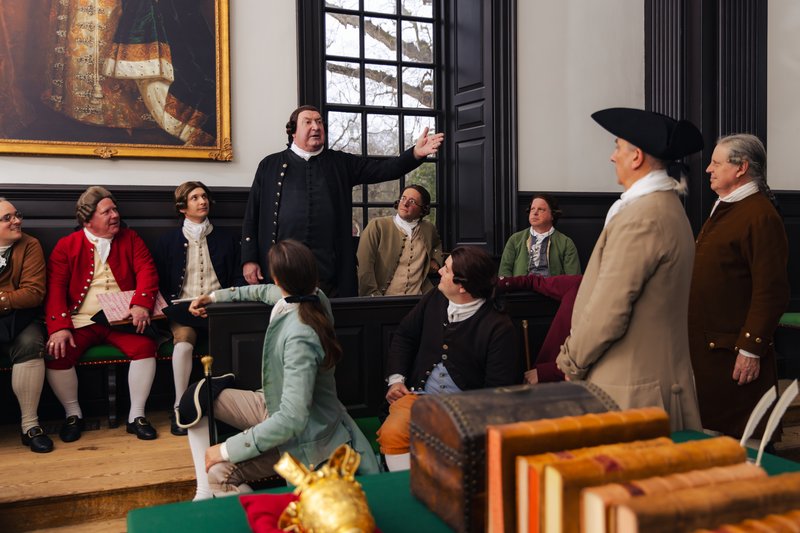
Even more significant, though, was the approach to revolution that was at once thoughtful and vigorous among the men and women from the Chesapeake who led the drive for the American colonies’ independence. Maryland had its share of patriots. Charles Carroll, Samuel Chase and William Paca of Annapolis and Thomas Stone of Charles County signed the Declaration of Independence.
Besides General Washington and Thomas Jefferson, the Lee Family of Virginia’s Northern Neck were arguably the most influential thought leaders. The first place to learn about them is spectacular Stratford Hall on the Potomac. Two members of the fourth generation, brothers Richard Henry Lee and Francis Lightfoot Lee, signed the Declaration of Independence. It was Richard Henry Lee, in fact, who made the first motion proposing independence from Great Britain on June 7, 1776 at the Second Continental Congress.
Note, however, that this year’s Semiquincentennial is considered a commemoration, not a celebration. In addition to these well-known patriots, that distinction carefully recognizes the many people who contributed to our country’s origin, including those enslaved who built, maintained, and fed plantations like Stratford Hall and Mount Vernon, and towns from Annapolis to Williamsburg.
Stay tuned. There are many more stories coming up to remind us where our country came from, with lessons for how we keep our republic in the coming years. Here’s just one example:
An Historical Footnote: The Leedstown Resolves of February 27, 1766
The Lees and families like them were products of the Chesapeake’s unique geography, largely planters whose ancestors had begun farming tobacco along the Bay’s big rivers as immigrants from Great Britain a century and a half earlier. Those rivers allowed them to ship directly to England from local wharves sited on the deep-water outer meander curves from the James and the Rappahannock to the Patuxent and the Chester. Richard Henry Lee was no stranger to the language of his motion for independence. Ten years earlier, he and another Lee brother organized a “No taxation without representation” protest at the local port of Leedstown on the Rappahannock and wrote a protest document signed by “the Sons of Liberty,” more than one-hundred local planters. That document, the Leedstown Resolves, included language that Thomas Jefferson built into the Declaration of Independence. The 260th anniversary of the Resolves is coming up next week, on February 27.