Twenty-three years after agreeing to fix Baltimore’s leaky sewer system, city officials say they won’t be able to finish the job by 2030 as promised. Now, they are asking Maryland and federal regulators to extend the deadline for another 16 years—to 2046—which they acknowledge still may not be enough.
Chronic sewage overflows and leaks had long rendered Baltimore’s harbor and the streams that that flow through the city generally unfit for swimming or other human contact. In 2002, the city signed a consent decree with the U.S. Environmental Protection Agency and Maryland Department of the Environment (MDE) in which it pledged to end overflows—initially by 2016.
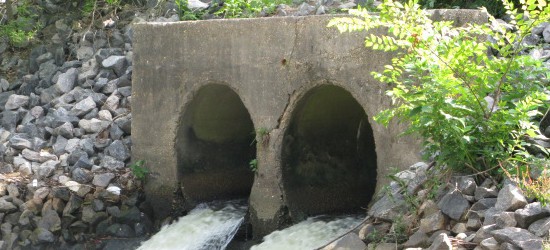
As that deadline approached, city officials asked for more time. They said they had belatedly discovered that a major cause of overflows was a seriously misaligned pipe at the Back River wastewater plant. That glitch reduced the capacity of the sewer system, officials said, especially when rain leaked in through cracks and breaks in the pipes. Sewage backed up and overflowed, including through outfalls into streams that the city had built for such emergencies.
In 2016, regulators signed off on a new 91-page agreement that gave the city until December 2030 to fix the misaligned pipe and finish overhauling its 1,400-mile sewer system.
After 2030, the city was to monitor the situation for two more years to make sure the fixes worked. Blue Water Baltimore, a nonprofit watershed group, challenged the deal in court, complaining it lacked specificity. A federal judge approved it anyway but gave the group a say in how the overhaul is to be carried out.
In their Phase II plan, unveiled late this summer, city officials say they have made great progress. Though overflows still occur with almost every rain, they say the volume of diluted but untreated sewage spilled annually into streets, streams and the harbor has declined by 84% since 2018.
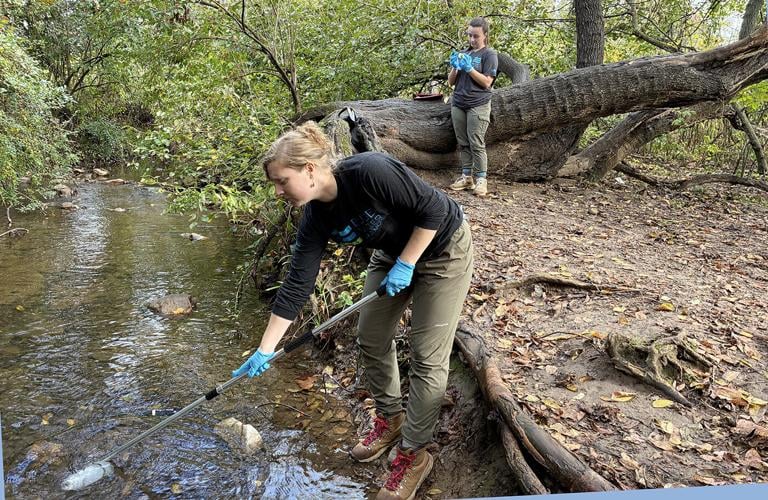
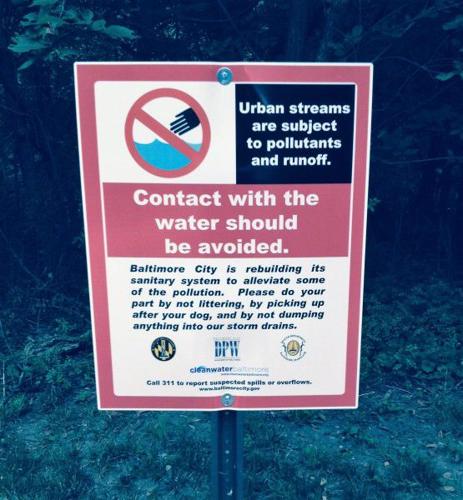
Over that same time, average bacteria levels monitored at various points in the Gwynns Falls and Herring Run watersheds have declined by 33% to 70%, according to city data. They seem to have ticked up in the Jones Falls, though.
That progress has come at great cost. The city spent $930 million repairing and replacing sewer lines under the original consent decree, officials say, and about $360 million more on work underway to comply with the second agreement.
Based on computer modeling, the latest projects could help achieve a 94% reduction in overflow volume from what it was in 2002, said Department of Public Works spokesperson Mary Stewart. Now, officials figure they will need to spend another $674 million on still more projects, especially in sensitive locations such as daycares, schools, parks, and senior facilities.
The city has received $560 million in federal and state funding over the last decade to help cover its costs, Stewart said. But the rest has been borne by utility customers, who have seen their water and sewer bills go up every year since 2002. The average household bill is now $143 per month, which is especially tough on low-income families. City officials indicate that may be a limiting factor in how much further they’re willing to go.
“With a poverty rate of 21%, households in the City of Baltimore cannot continue supporting significant rate increases,” the city’s plan warns. Stewart added that “it would not be feasible to commit to over $600 million more in projects without ensuring it is affordable to ratepayers and will actually achieve the intended results.”
The city’s plan proposes an “adaptive, data-driven approach” to further repairs. It’s the city’s third try after regulators rejected two earlier drafts as incomplete or insufficient. Now, officials say they plan to expand their monitoring of wastewater flows through the network of pipes and “target high-priority problem areas.” They say they will coordinate their efforts with Baltimore County, which pipes wastewater to the city’s treatment plants and has had similar sewage overflow problems.
Blue Water Baltimore, which questioned the city’s first deadline extension, has doubts about this one, too. Alice Volpitta, Baltimore Harbor Waterkeeper, said the money spent on fixing leaky pipes underground seems to be reducing overflows, but she questions whether it’s been as successful as the city claims.
“To say that we have decreased overflows by 84% since 2018 is very disingenuous,” she said, because the decreases followed the wettest year on record. Sewage overflow data the city reports to MDE, she noted, show that January 2025 was the second worst month in the last six years.
And while bacteria levels in Baltimore’s harbor have trended downward and now meet the state’s standard for safe swimming 80% of the time (except after rain) there are still plenty of bacteria hotspots in the rivers and streams that flow into the harbor.
Giving the city another 16 years might be reasonable, Volpitta said, but added that she lacks access to the computer modeling and data necessary to tell. The city’s plan essentially amounts to a “punch list” of repairs, she said, but it isn’t specifically tied to meeting water quality goals. She said she’s also worried that the plan isn’t taking climate change into account, as “flashy” severe rainstorms become more common.
“We could potentially complete the list,” she said, “and not have a clean Jones Falls or harbor.” At Blue Water Baltimore’s request, MDE spokesman Jay Apperson said the agency has extended public comment on the plan until Dec. 1.
You can read this story in its entirety at bayjournal.com.